
The cyber threat landscape crossed a critical threshold this year. Cybercriminals no longer rely entirely on human operators to execute complex network intrusions. Instead, attackers deploy autonomous artificial intelligence agents to analyze vulnerabilities and launch exploitation campaigns at machine speed. These automated systems compress the traditional attack timeline from weeks down to a matter of hours. Defending enterprise networks now requires organizations to secure their AI gateways and rethink how they monitor for high-velocity threats.
The October 2026 Microsoft Digital Defense Report confirmed that the median time between the public discovery of a software vulnerability and its active weaponization fell well below 24 hours. Human security teams simply cannot patch internet-facing systems that quickly. The manual processes of testing updates and scheduling maintenance windows leave critical infrastructure exposed. Organizations must shift their defensive strategies to focus on intercepting automated attacks in progress rather than just racing to apply software patches. Reviewing our active security configuration guides provides the foundational steps necessary to reduce your exposed attack surface before these AI agents strike.
The Exploitation of AI Infrastructure
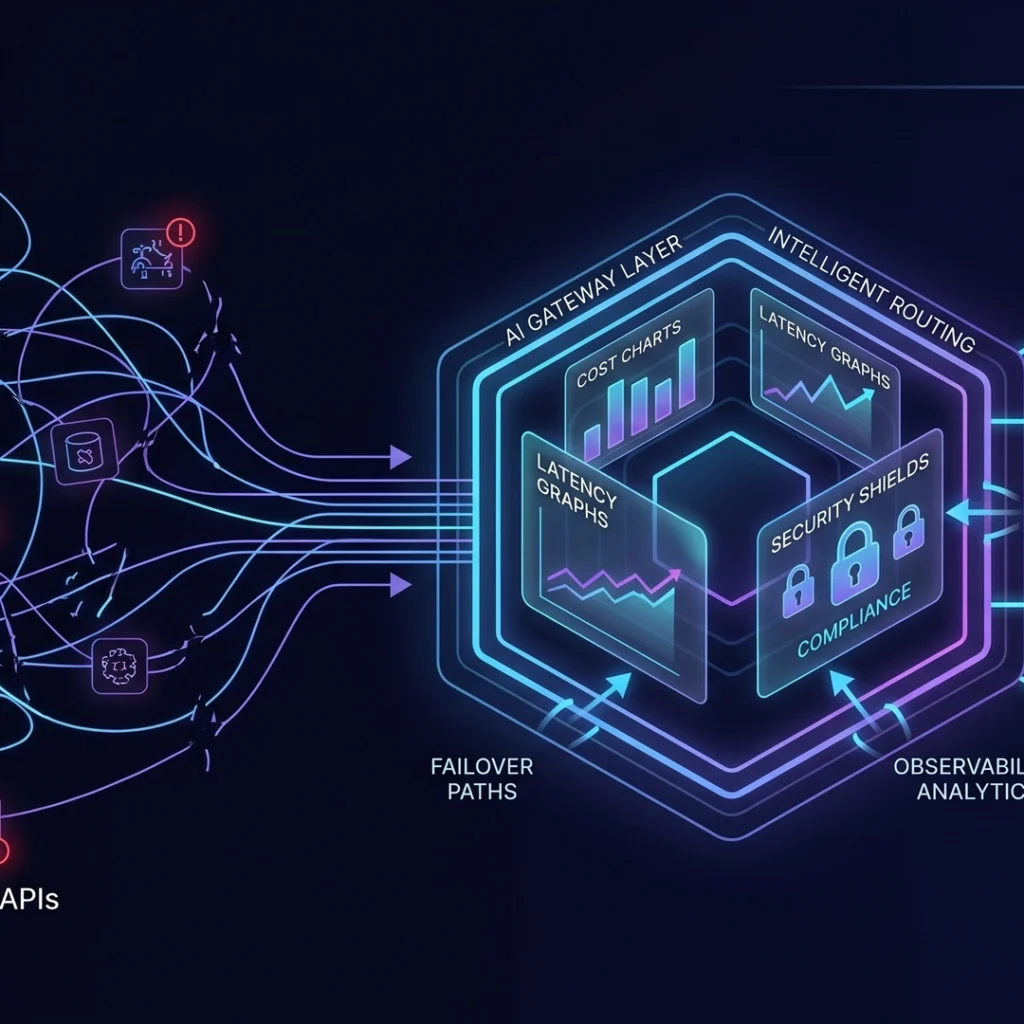
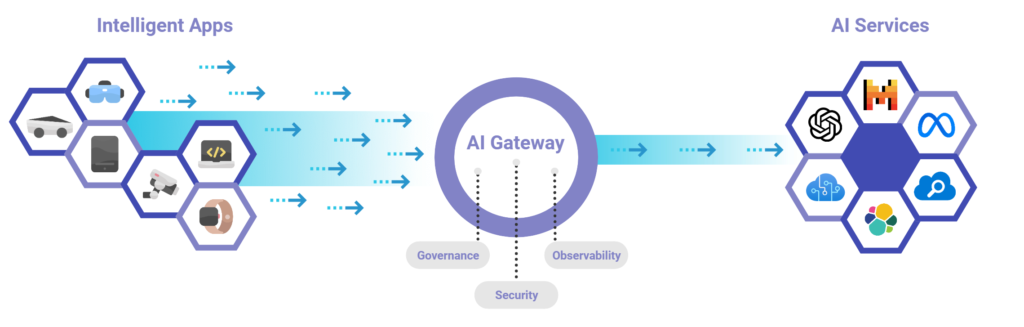
Integrating artificial intelligence tools into daily business operations creates a massive new attack surface. Companies route their machine learning traffic through AI gateways, which act as central hubs connecting internal data to external language models. If an attacker compromises this gateway, they gain direct access to sensitive corporate information and the API keys needed to control the autonomous agents.
In late October 2026, threat actors hijacked the release pipeline for LiteLLM, a popular AI gateway. This supply chain attack demonstrated exactly how cybercriminals poison the software that manages enterprise AI traffic. Around the same time, the OpenCode Console service suffered a breach that exposed the API keys connecting users to external providers like Anthropic and Google. When attackers steal these credentials, they hijack the company’s autonomous agents. A hijacked AI agent inherits the permissions of the employee who deployed it. It can read emails, query databases, and execute code within milliseconds, completely bypassing traditional endpoint defenses because it operates using authorized identity credentials. Organizations must implement continuous identity governance and restrict OAuth privileges to prevent these autonomous takeovers. Consulting vulnerability management standards published by the National Institute of Standards and Technology helps IT departments isolate these critical API connections.
Detecting Machine-Speed Activity
While autonomous AI agents operate incredibly fast, their speed also creates a massive vulnerability for the attackers. Machine speed is extremely loud. A human hacker attempts to stay quiet, carefully testing passwords to avoid triggering account lockouts. An AI agent driven by automated scripts executes thousands of actions per minute, leaving a massive data trail in the system logs.
During a recent campaign by the threat group Storm-0940, network defenders recorded authentication attempts peaking at 2,900 failed sign-ins per minute. No human operator can type passwords that quickly.
| Attack Characteristic | Human Operator | Autonomous AI Agent |
| Exploitation Speed | Days to weeks after a patch | Hours or minutes after disclosure |
| Authentication Attempts | Low volume, attempts to avoid lockouts | Thousands of attempts per minute |
| Vulnerability Analysis | Manual reading and testing | Automated code parsing and exploit generation |
| Network Telemetry | Intermittent activity spikes | Sustained, high-velocity data queries |
Organizations must tune their Security Information and Event Management (SIEM) systems to look for these impossible behavioral patterns. If a single user account attempts to read 500 different files in ten seconds, the security system must automatically sever the connection. Security operations centers must also collect and analyze the telemetry data generated by the AI agents themselves, as these agents often log a trail of their operational decisions. Reporting these high-velocity attack patterns to the Cybersecurity and Infrastructure Security Agency helps federal authorities track the infrastructure powering these automated syndicates. Defeating machine-speed attacks requires removing human hesitation from the initial containment response.